The Complete Guide to Ski Touring in Rogers Pass
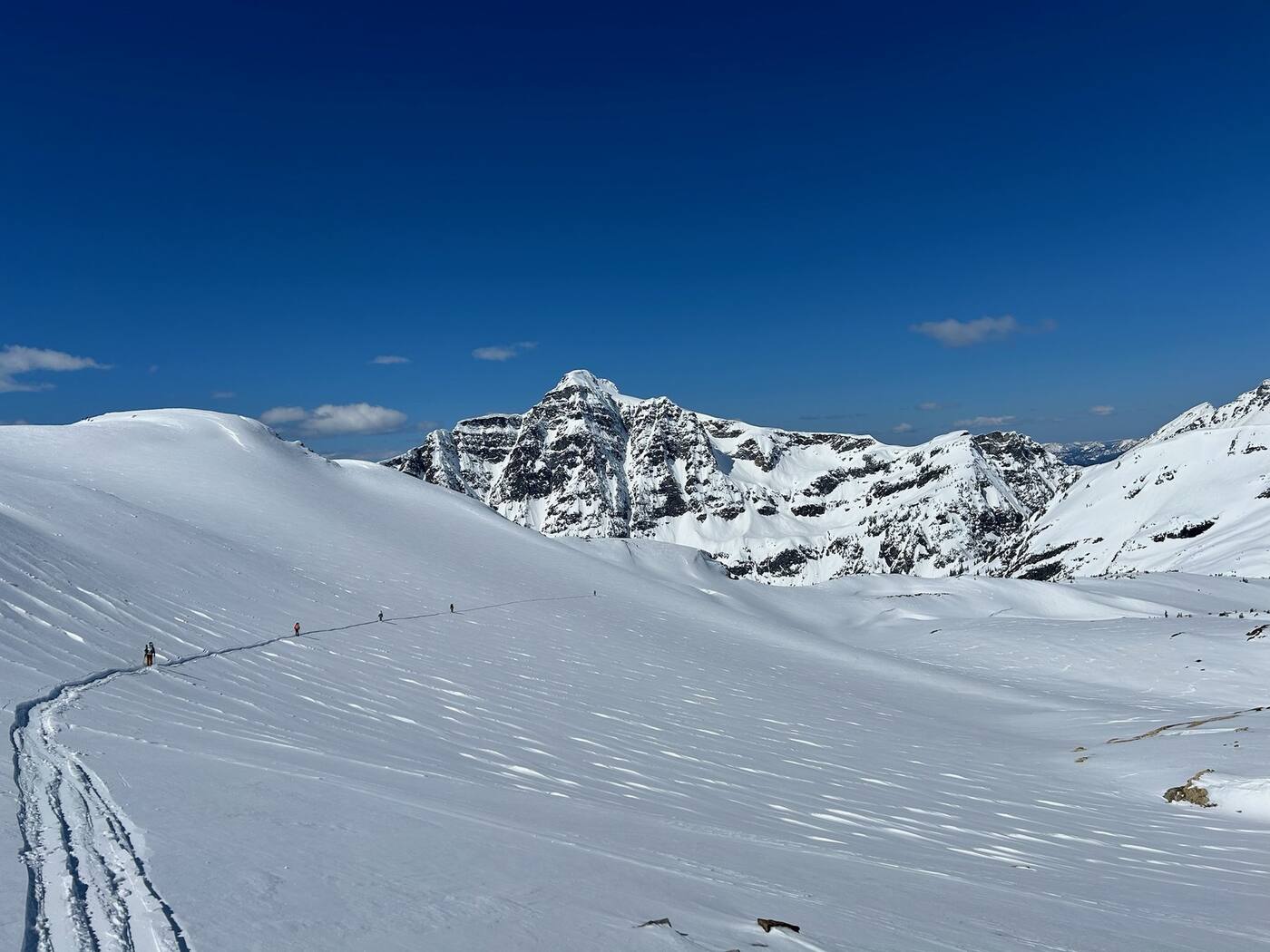
Rogers Pass is one of the great backcountry skiing destinations on earth. Located in Glacier National Park, roughly 45 minutes east of Revelstoke along the Trans-Canada Highway, it offers a combination of snowfall, terrain, and access that is essentially unmatched anywhere in Canada. An average of 10 to 14 metres of snow falls here each season. The terrain ranges from mellow forested valleys to committing alpine lines above 2,800 metres. And you can access all of it directly from the highway, without a helicopter, on the same day you decide to go.
This guide covers everything you need to know before your first — or your fifteenth — day in Rogers Pass.
The Terrain in Rogers Pass
Rogers Pass is divided into several main zones, each with a distinct character. The Connaught Creek drainage, accessed from the highway near the Rogers Pass Centre, is the most popular starting point. It encompasses Grizzly Shoulder, Balu Pass, and the 8812 Peak area — a vast network of tours ranging from a straightforward beginner day to a demanding 1,400-metre alpine objective. Although the skiing and skinning can be relatively easy, most tours have extensive overhead avalanche hazard from large alpine start zones. You need to plan accordingly.
The Illecillewaet zone, accessed from the Illecillewaet Valley parking lot a few kilometres west of the pass, is home to some of the most iconic skiing in the area: Avalanche Crest, Sir Donald Col, and the Illecillewaet Glacier. These are bigger, more committing tours with more serious avalanche terrain — this is Rogers Pass at its most classic.
The Asulkan Valley offers a different character again — long approach, remote feel, and exceptional terrain including the Lily-Dome Traverse and access to Youngs Peak and Sapphire Col. This zone is best for ski tourers looking for a full-value alpine day.
The Permit System in Rogers Pass
Rogers Pass sits at the heart of the world's largest mobile avalanche control program. Parks Canada fires artillery shells into the slopes above the Trans-Canada Highway to prevent natural avalanches from burying the road. This means that access to all ski touring zones is managed through the Winter Permit System — a set of rules that separates backcountry users from areas where artillery fire is planned or possible.
You need two things to ski in Rogers Pass: a National Park Pass (Glacier National Park) and a Winter Permit. Winter Permits are available online or at the Rogers Pass Centre. Each zone is opened or closed daily based on the avalanche control schedule. You must check the map each morning before heading out. Compliance is not optional — it is what keeps the entire area accessible.
As of the 2025–26 season, Winter Permits are required even for Unrestricted Areas. See the detailed permit post on this blog for a full explanation.
When to go Skiing in Rogers Pass
The Rogers Pass ski season runs from November through April, with conditions generally peaking between December and March. Early season (November to mid-December) brings heavy snowfall and limited visibility, but also uncrowded slopes and excellent early-season skiing in the trees. Peak season (mid-December through March) offers the most consistent conditions, the deepest snowpack, and varied weather with storms as well as high pressure systems. Spring (April) brings longer days and settled conditions and generally longer high pressure systems.
Who Should Ski in Rogers Pass?
Rogers Pass can be difficult for a total beginner as a ski touring destination but is an option. The terrain is serious, the climbs are long, and the avalanche environment is complex. Most day tours involve at least 800 metres of vertical gain and several hours of skinning. That said, it is absolutely accessible to intermediate-level tourers who have appropriate fitness, avalanche training, and — ideally — a guide who knows the terrain.
If you are newer to ski touring, Rogers Pass with a guide is a very different experience than going independently. A guide selects terrain appropriate for your ability, manages the permit logistics, and provides an avalanche safety briefing and transceiver check before each day. It is the fastest way to access the best of Rogers Pass without the stress of navigating an unfamiliar permit system and complex terrain.
Getting to Rogers Pass
Rogers Pass is a 45-minute drive east of Revelstoke along Highway 1. Most guided groups meet in Revelstoke at 7:00 or 7:30 AM and drive out together. The Rogers Pass Centre (currently Summit Station) is the main information hub at the pass. From Calgary, it is approximately 4 hours west on Highway 1.
Where to Stay Near Rogers Pass
Most visitors base themselves in Revelstoke, which has a full range of accommodation from budget hostels to ski-in/ski-out hotels. Golden, on the east side of the pass, is a smaller option. For those who want a backcountry experience, the Alpine Club of Canada operates four huts in the Rogers Pass area: the A.O. Wheeler Hut, the Asulkan Cabin, Sapphire Col Hut, and the remote Glacier Circle Cabin.
Book a Guided Trip in Rogers Pass
If you want to experience the best of Rogers Pass skiing without the complexity of navigating permits, terrain, and snowpack assessment on your own, a guided day is the answer. Get in touch to start planning →